
From boardwalk taffy to the fun-size bar, in one cookbook.
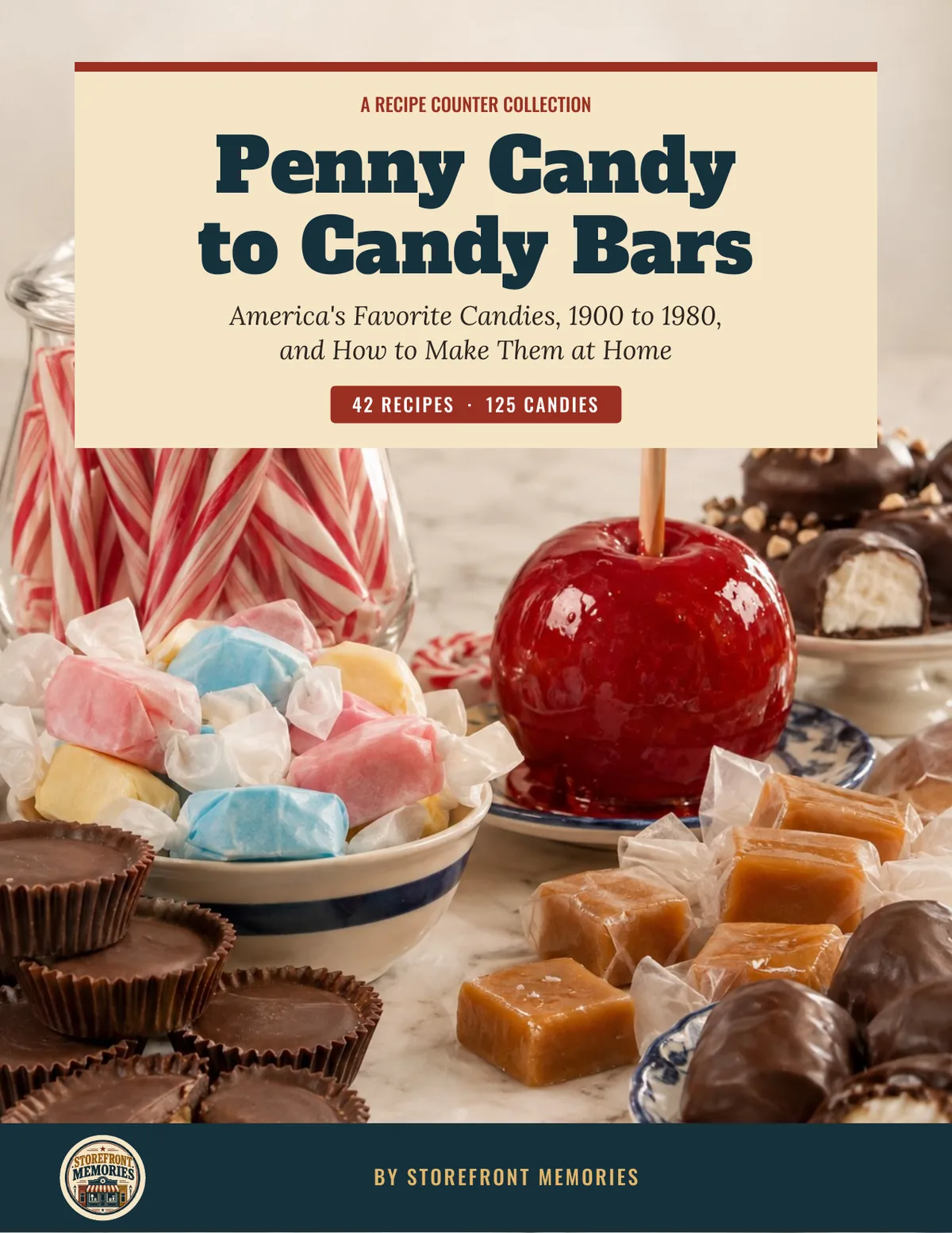
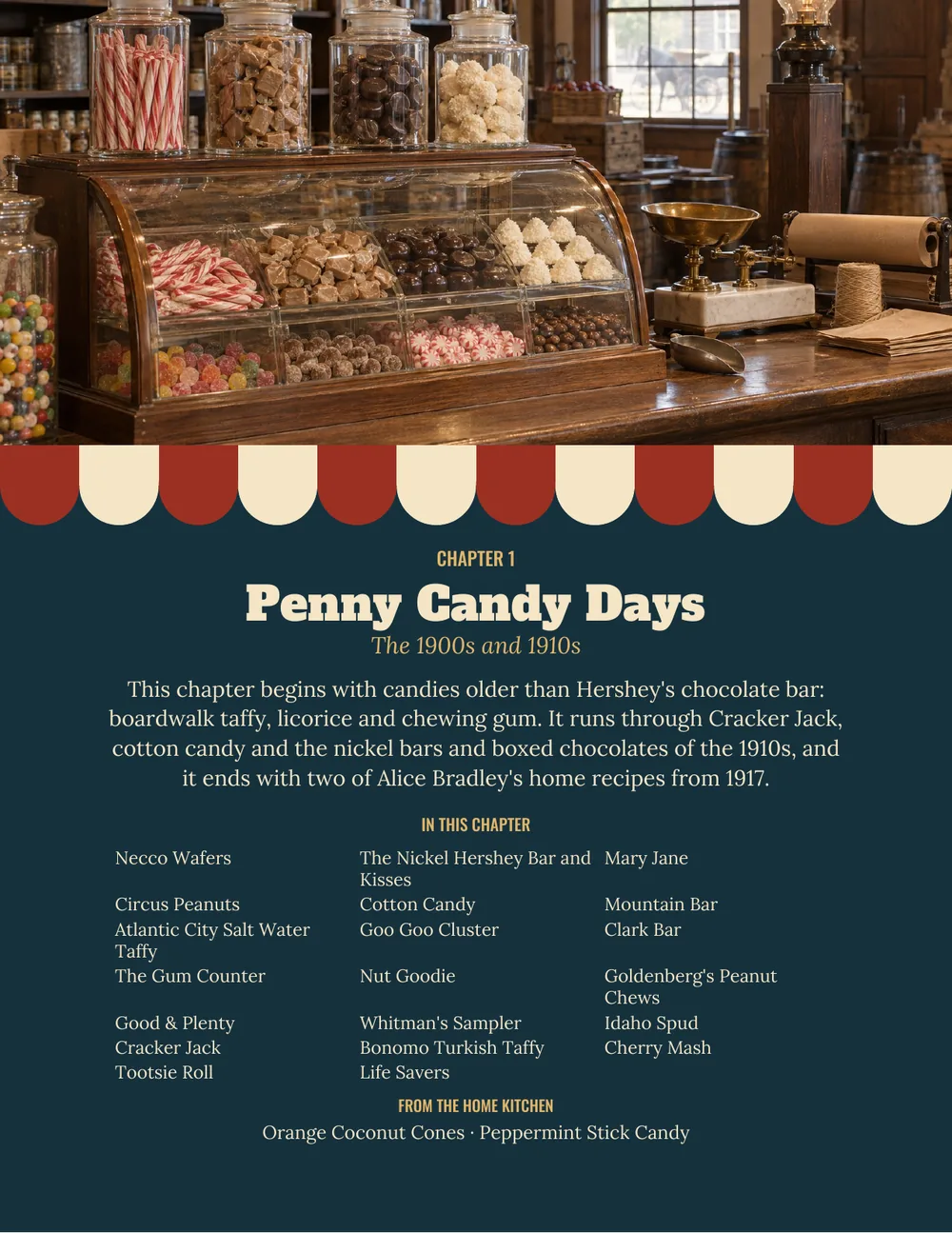
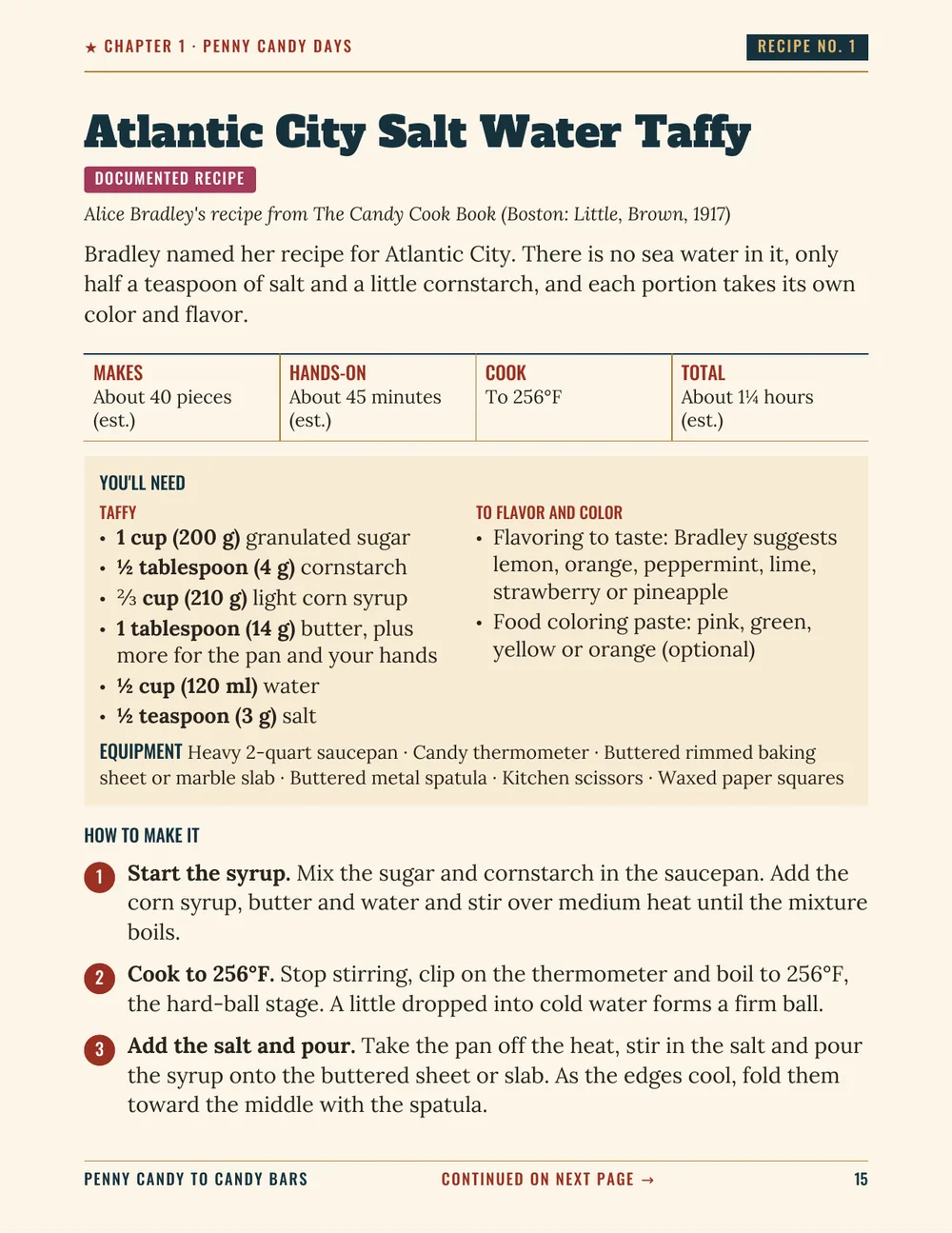
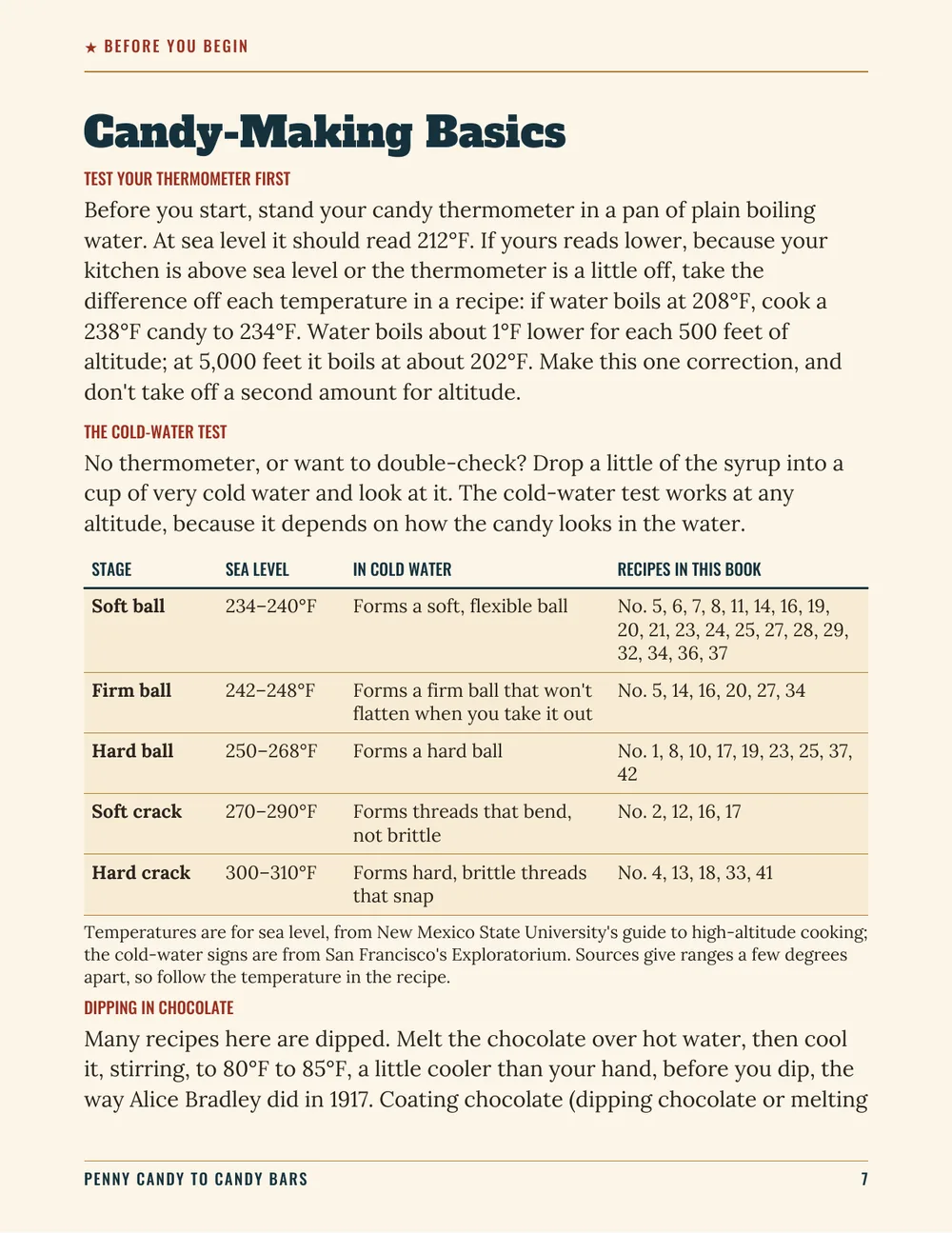
Penny Candy to Candy Bars tells the stories behind 125 American candies, from boardwalk taffy to the fun-size bar, and gives you 42 old-fashioned candies to make in your own kitchen. The pictures at the top of this page show the cover and four sample pages: the Chapter 1 opener, a Candy Story, its recipe and the Candy-Making Basics.
Try a free recipe from the book: Atlantic City Salt Water Taffy.
What’s inside
- 8 chapters: 1. Penny Candy Days (The 1900s and 1910s); 2. The Nickel Bar Boom (The 1920s); 3. More for a Nickel (The 1930s); 4. Candy Goes to War (The 1940s); 5. Fireballs, Fizzies and Baseball Cards (The 1950s); 6. Goodbye to the Nickel Bar (The 1960s); 7. From Kit Kat to Big League Chew (The 1970s to 1980); 8. Hearts, Bunnies and Candy Corn (Valentine’s Day, Easter and Halloween).
- 125 candy stories: who made each candy, when it came out and whether it is still made, by the latest source we found.
- 42 recipes: 32 paired with the story of the candy that inspired them, and 10 candies home cooks made for themselves. Each has a timing panel, a list of what you’ll need with gram weights, the equipment, numbered steps, a Counter Note, a Keeping note and “If Things Go Wrong”.
- 28 “Try It at Home” boxes that turn a recipe into a close cousin of another store candy.
- A short history at the start of each chapter, and candy-making basics: the thermometer test, a sugar-stage chart that lists the recipes for each stage, the cold-water test, dipping chocolate and safe candy making.
- Source notes for every story and recipe, and three indexes: recipes, candies, and makers and stores.
- Large 14-point type, for easy reading in the kitchen.
The 42 recipes, by chapter
- Penny Candy Days: 1. Atlantic City Salt Water Taffy, 2. Molasses Popcorn and Peanuts, 3. Chocolate Chew Rolls, 4. Hand-Spun Sugar Floss, 5. Caramel Marshmallow Peanut Clusters, 6. Maple Cream Peanut Clusters, 7. Assorted Chocolate Creams, 8. Molasses Peanut Butter Kisses, 9. Crispy Peanut Butter Bars, 10. Molasses Peanut Chews, 11. Chocolate Coconut Marshmallow Potatoes, 12. Orange Coconut Cones, 13. Peppermint Stick Candy.
- The Nickel Bar Boom: 14. Peanut Caramel Fudge Bars, 15. Apple Walnut Jelly Squares, 16. Chocolate Nougat and Caramel Bars, 17. Honey Almond Taffy, 18. Spoon-Dropped Lollipops, 19. Milk Caramel Pops, 20. Chocolate-Covered Caramel Drops, 21. Chocolate Peanut Butter Cups, 22. Chocolate Mint Truffle Squares, 23. Harlequins.
- More for a Nickel: 24. Chocolate Marshmallow Cups, 25. Peanut Caramel Logs, 26. Pecan Log Rolls, 27. Four-Filling Chocolate Bars.
- Candy Goes to War: 28. Chocolate Coconut Almond Bars, 29. Crystallized Mint Leaves, 30. Stuffed Dates, 31. Marzipan Fruits.
- Fireballs, Fizzies and Baseball Cards: 32. Chocolate Mint Sandwiches, 33. Glacé Nuts.
- Goodbye to the Nickel Bar: 34. Caramel Crisp Bars, 35. Date Balls, 36. Sugar on Snow.
- From Kit Kat to Big League Chew: 37. Braided Caramel Bars, 38. Candy Dots on Paper, 39. Fruit Leather.
- Hearts, Bunnies and Candy Corn: 40. Valentine Message Hearts, 41. Cinnamon Candy Apples, 42. Caramel Apples.
Some of the candies whose stories are told
- Penny Candy Days: Cracker Jack, Tootsie Roll, Cotton Candy, Goo Goo Cluster, Life Savers, Necco Wafers.
- The Nickel Bar Boom: Milky Way, Reese’s Peanut Butter Cups, Baby Ruth, Butterfinger, Milk Duds, Heath.
- More for a Nickel: Snickers, 3 Musketeers, PayDay, Sky Bar, Tootsie Pop, Red Hots.
- Candy Goes to War: Almond Joy, M&M’s, York Peppermint Pattie, Junior Mints, Bazooka and Bazooka Joe, Whoppers.
- Fireballs, Fizzies and Baseball Cards: Andes Crème de Menthe, Atomic Fireball, Fizzies, Pixy Stix and Lik-M-Aid, Chunky, Hot Tamales.
- Goodbye to the Nickel Bar: The $100,000 Bar, SweeTarts, Lemonheads, Now and Later, Razzles.
- From Kit Kat to Big League Chew: Marathon, Kit Kat, Pop Rocks, Big League Chew, Reggie!, Candy Buttons.
- Hearts, Bunnies and Candy Corn: Conversation hearts, Candy corn, Jelly beans, Marshmallow chicks, The fun-size bar.
How the recipes were researched
Every recipe is built from recipes published in cookbooks and other sources, named on its page. Every fact in the stories and essays comes from a source we checked: books, newspapers and magazines, museums and archives, company histories, and court and trademark records.
Recipe labels in the book: 4 documented recipes, 10 adapted from a documented recipe, 28 home-style versions (not the maker’s recipe).
Files and printing
- Screen Edition, 265 pages, full color (18.1 MB).
- Low-Ink Print Edition, 265 pages, white pages for home printers, same page numbers as the Screen Edition (18.2 MB).
- Candy Kitchen Companion, 26 pages: the sugar-stage chart, the recipes at a glance, pantry and equipment checklists, shopping lists for all 42 recipes, a candy-making log, 42 gift tags and pages for your own candy memories (0.3 MB).
- U.S. Letter. Clickable contents, index and bookmarks.
After you buy
As soon as your payment is confirmed, your three download links appear on the order confirmation page and in your order email. You can download them as often as you like.
Questions
Is there a printed book? No. This is a digital PDF download; no physical book is shipped.
Can I print it? Yes, for your own kitchen. The Low-Ink edition and the Companion are set up for home printers on U.S. Letter paper. Please don’t share, upload or resell the files.
Are these the candy companies’ recipes? No. Candy and company names identify the candies whose history the book tells. The recipes are home-style versions and published home recipes, not the makers’ formulas.
What equipment do I need? A candy thermometer for 31 of the 42 recipes, and ordinary kitchen pans and tools. Each recipe lists its equipment.
How do I pay? With a Visa or Mastercard, credit or debit. After you click Place order, you’ll go to Pagadito, our secure payment service, to enter your card, and then come right back here to download. No account is needed. Prices are in U.S. dollars. Virtual cards and American Express aren’t accepted.
What if there’s a problem with my order? Email support@storefrontmemories.com with your order number, and see our refund policy.
Format: Digital PDF download (three files), illustrated with AI-generated food images. No physical book is shipped.
Candy and company names identify the candies whose history the book tells; Storefront Memories isn’t affiliated with or endorsed by any company named.
More from The Recipe Counter
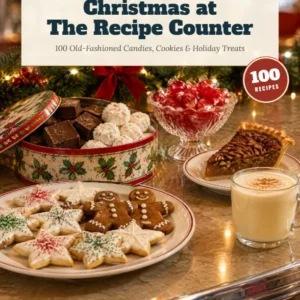
For Christmas candy, see Christmas at The Recipe Counter: 100 old-fashioned candies, cookies and holiday treats.
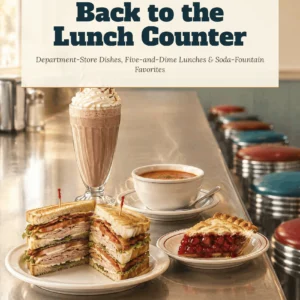
For lunch-counter and tea-room dishes, see Back to the Lunch Counter: 68 department-store, five-and-dime and soda-fountain recipes.
Related reading
- Atlantic City Salt Water Taffy: the 1917 recipe and its story (free).
- 21 dime store candies from the 1960s, and which ones still exist.
- Candy bars from the 60s and 70s: what happened to 28 forgotten bars.
Reviews
There are no reviews yet.